

Water Damage Repair Hervey Bay – Professional Structural Restoration Services
- Residential
- Commercial
- Industrial
- Institutional
Get Your Free Estimate
IICRC Certified Restoration Technicians
Fully Insured & Public Liability Covered
Structural & Interior Repair Specialists
Serving Hervey Bay & Surrounding Areas
Once the standing water is extracted, the demanding work of structural preservation begins. In Hervey Bay, water damage restoration is a process dictated by our humid subtropical climate, with its oppressively damp summers and seasonal risk of tropical cyclones. Our city’s geography on the Fraser Coast, partially sheltered by K’gari (Fraser Island) but exposed to intense weather systems, creates specific water intrusion challenges that demand more than a superficial fix.
Our focus is on the structural repairs that can only commence after a verifiable drying process is complete. We rebuild and restore walls, ceilings, and flooring, but only after our calibrated instrumentation, including thermal imaging cameras and non-invasive moisture meters, confirms that building materials have returned to their ‘dry standard’. This methodical, evidence-based approach, compliant with Queensland Building and Construction Commission (QBCC) standards, is the only way to prevent the secondary damage we are so often called to fix: hidden mould colonies thriving in the humid air, irreversible decay of timber sub-floors in classic Queenslanders, and the slow corrosion of fixings caused by salt-laden air.
What Water Damage Repair Means in a Subtropical Coastal Climate
Water damage repair is the systematic reconstruction of building components compromised by water. On the Fraser Coast, this process is governed by our coastal, high-humidity environment. Drying methodologies designed for arid inland cities will fail here, as they do not account for our ambient humidity or the constant presence of atmospheric salt.
Hasty or improper repairs by unlicensed operators trap moisture within wall cavities and beneath floor coverings. This is not just a defect; it’s a guarantee of concealed mould growth, persistent musty odours, and the eventual failure of structural elements. We have documented these specific failure points across Hervey Bay’s suburbs. We’ve seen modern slab-on-ground homes in Dundowran Beach trap moisture, leading to flooring delamination. We have remediated aggressive mould in older, low-set brick homes in Scarness and Torquay, where plumbing failures went unnoticed, saturating the timber frame and creating a perfect breeding ground in the humid conditions. Our repair methodology is born from this direct local experience, addressing not just the visible damage but the unseen threats unique to Hervey Bay’s building stock and climate.
Our ANSI/IICRC S500 Protocol for Repairs in Hervey Bay
Our entire repair process is structured around the ANSI/IICRC S500, the globally recognized standard for professional water damage restoration. We adapt this standard for the specific demands of our local Fraser Coast conditions.

Structural Integrity Assessment
Our inspection goes beyond the surface. We assess load-bearing walls, sub-floor structures in high-set Queenslanders, and roof trusses to identify weaknesses from saturation or subsequent mould-induced rot. This is a critical first step in both the older timber homes common in Pialba and the modern brick-veneer properties found throughout the region.

Moisture Verification & Mapping
No repair work begins until we provide verifiable proof of dryness. Using capacitance meters, thermal imaging, and hygrometers, we map the extent of water migration and confirm that all affected materials, from gyprock to the timber frame, have reached their pre-damage equilibrium moisture content. This is our non-negotiable guarantee against entombing moisture, a frequent cause of failed repairs and QBCC defect complaints.

Targeted Material Removal
Materials that are physically compromised, warped, or affected by contaminated water (IICRC Category 2 or 3) are removed following strict S500 protocols. In Hervey Bay, this often includes particleboard flooring that has swelled, insulation saturated with humid air, and plasterboard that has lost structural integrity and is supporting mould growth.

Structural & Interior Repairs
We replace damaged timbers, install new plasterboard, and restore sub-floors. Our expertise with the Fraser Coast’s architectural styles, from the classic high-set Queenslanders in Urangan to the modern blockwork homes in Eli Waters, dictates the materials and techniques we use to ensure a seamless and durable repair that accounts for local conditions like reactive clay soils.

Final Inspection & Handover
All repaired areas undergo a final quality inspection for structural soundness and cosmetic finish. Our objective is to return your property to a safe, dry, and aesthetically complete condition, providing all necessary documentation to support your insurance claim and satisfy QBCC requirements.
Repairing Hervey Bay's Diverse Properties: From Classic Queenslanders to Modern Coastal Homes
We provide water damage repair for a wide spectrum of properties across the Fraser Coast, each presenting unique challenges.

Heritage & Residential Properties
In Hervey Bay homes, our first priority is restoring a safe, healthy living environment. We have specific protocols for the iconic high-set "Queenslander" homes found in older suburbs like Scarness and Pialba, where timber stump foundations and sub-floor construction require specialized drying and repair techniques to prevent wood rot and pest infestation. We understand the construction of these buildings and work to ensure they are structurally sound and free of hidden moisture. In the newer estates of Kawungan and Dundowran, we focus on thoroughly drying modern materials like composite flooring and timber frames to prevent the rapid mould growth our humid climate encourages.

Commercial & Institutional Facilities
For businesses along the Esplanade, tourism operators in Torquay, or industrial operations in the Urangan industrial area, our mission is to minimize operational disruption. We have documented experience managing complex repairs in apartment buildings, resort complexes, and retail spaces that require a phased approach to allow for continued operation. We provide the detailed reporting and clear communication necessary to keep all stakeholders informed and to ensure a swift return to full capacity, mitigating financial losses from downtime.
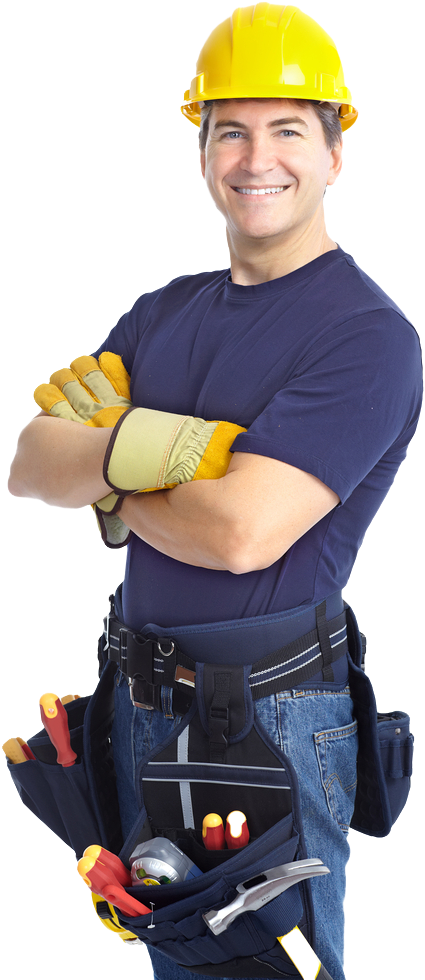
IICRC-Certified Technicians for the Fraser Coast Region
Our team consists of technicians certified by the Institute of Inspection, Cleaning and Restoration Certification (IICRC), the global body that sets the standard of care for our industry. This certification, combined with our mandatory QBCC licensing, is your assurance that we employ a scientific, evidence-based approach to every stage of the restoration process. We adhere to the ANSI/IICRC S500 standard, which provides a rigorous framework for everything from establishing a drying environment to handling contaminated water, a frequent issue after the intense storm events and flash flooding our region experiences. This commitment, backed by our comprehensive public liability insurance, provides verifiable confidence that your property is being repaired to a standard that satisfies both industry best practice and local Queensland regulations.
Service Area: Hervey Bay and the Fraser Coast Region
We provide 24/7 water damage restoration services throughout Hervey Bay and the surrounding region, including:
- Pialba & Urraween
- Scarness, Torquay & Urangan
- Point Vernon
- Eli Waters & Dundowran
- Kawungan & Wondunna
- Nikenbah
- Booral & River Heads
- Burrum Heads & Toogoom
Hervey Bay Water Damage Repair: Your Questions Answered
Obvious signs include peeling paint, warped floorboards, or staining on gyprock ceilings and walls. A persistent musty smell is a definitive indicator of trapped moisture and potential mould growth, even if surfaces appear dry, a common issue in our humid climate. Following an event like a burst pipe, appliance failure, or water ingress from a summer storm, a professional inspection is critical, as water becomes trapped in wall cavities and under flooring.
No. This is a common and costly mistake. Repairs must wait until an IICRC-certified technician verifies with calibrated moisture meters that the structure has returned to its dry standard. Painting or rebuilding over a damp frame, especially in Hervey Bay’s humidity, traps moisture and guarantees future mould growth, wood rot, and the failure of the repair, which may void your insurance claim.
Not always. Structural timbers in a Queenslander home can often be saved if dried using appropriate, controlled methods. However, porous and composite materials like plasterboard, MDF cabinetry, particleboard sub-floors, and insulation almost always require replacement if they have been saturated, especially with contaminated water (IICRC Category 2 or 3) or if mould has taken hold.
Yes. Adhering to IICRC standards, the goal is to return the property to its pre-loss condition. This involves more than cosmetic fixes; it requires ensuring the timber stumps and sub-frame are structurally sound and eliminating hidden moisture without damaging the home’s character. Our experience with these iconic timber homes, and the specific challenges they face with moisture, is central to this capability.
The timeline depends entirely on the extent of saturation, the materials involved, and the water’s contamination level. A small ceiling repair may take a few days. Restoring a home in Pialba after significant flash flooding could take several weeks. Drying times are significantly affected by Hervey Bay’s high ambient humidity, a factor we actively manage with our specialized Low-Grain Refrigerant (LGR) dehumidifiers and targeted air movers to create an effective drying envelope, even during the wettest summer months.
Need Structural Repair After Water Damage in Hervey Bay?
Water-affected materials require immediate and professional intervention to prevent long-term structural decay, widespread mould contamination, and the degradation of your property's value.